

A free mental health-focused evening reflecting on our past beliefs and actions, with compassion for ourselves and a path toward healing and restoration.
Explore the dissonance between our past and present selves.
Reflect on the impact we have had on others.
Learn pathways of rupture and repair to bring healing and peace.
You may have spent years entrenched in a more conservative Christian mindset prior to adopting the inclusive perspectives of hopeful theology (or a new worldview that's outside a structured theological framework). Now that you're on the other side looking back, what do you want to say to your past self about the way you thought, spoke, and acted? What do you want to say to the people you used to know, some of whom may have been impacted by a "you" that no longer resonates with who you now choose to be?
This evening gathering will explore the (potential) dissonance between our past and present selves while inviting participants to practice self-compassion. With that place of safety as a starting point, the concept of rupture (relationship breaking) and repair (relationship restoration) will also be explored as participants may benefit from understanding how they can engage with healing past wounds inflicted on themselves or others.
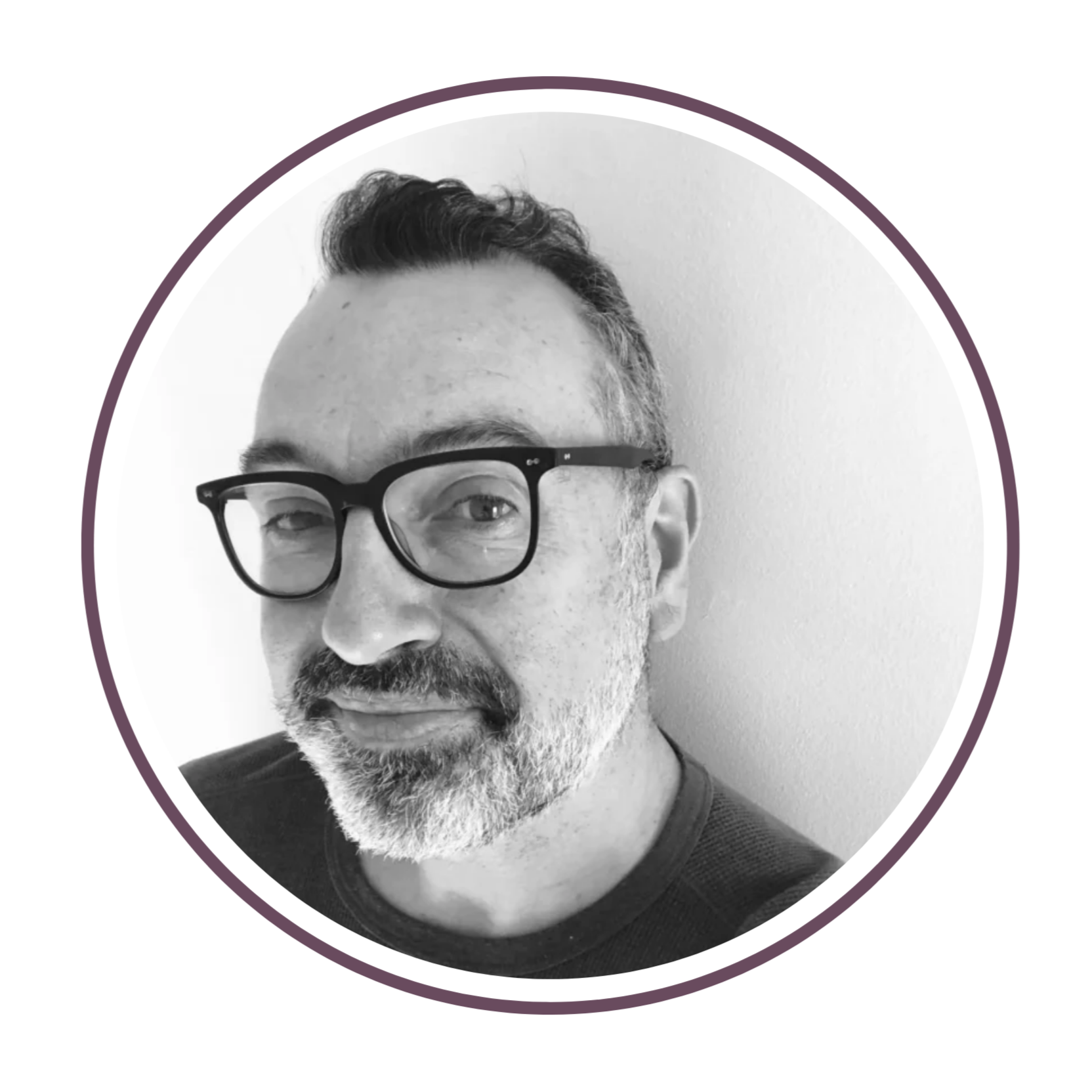
About the Speaker
A clinical counsellor based in Vancouver, BC, Ken Best (MA, RCC, CCP) works with individuals navigating anxiety, burnout, grief, and questions of identity and meaning. His approach is relational, strengths-based, and trauma-informed, creating space for people to move at a pace that feels safe and manageable. Ken also offers particular insight into religious trauma and faith deconstruction, helping us consider how emotional life and spiritual formation intersect in a time of uncertainty.
Community Mental Health Talks
Community Mental Health Talks is a new series of free evening gatherings co-presented by Reflector Project and Mount Seymour United Church. Led by Registered Clinical Counsellor Ken Best, these events are designed for people navigating questions around mental health, relationships, identity, faith, and personal change — including those rethinking beliefs they once held, people from church backgrounds, LGBTQIA+ individuals, family members, and anyone seeking healthier, more thoughtful ways to engage difficult conversations. Each evening is held in a space that is open and welcoming to all.
You are welcome without reservation.
No one will try to change you or persuade you that you will be more acceptable to God if you change.
In fact, we believe that spiritual wholeness comes from being more fully who we are while living in loving, just and compassionate relationships with others.
We believe that Jesus taught radical inclusiveness – we are loved just as we are, and we’re called to love others in the same way.